The fashion industry is both a temple of creativity and one of the most powerful global markets where ideas materialize in forms, textures and brand stories. Behind every sketch, every design and every logo that inspires customers and shapes demand and business trends lies an invisible but decisive structure – intellectual property (IP).
For designers, brands and entrepreneurs, intellectual property rights are not only protection against copying and counterfeiting. They are also a strategic instrument that allows creative solutions to become commercially valuable assets, provides security for investments and strengthens brand reputation.
Both startups and luxury fashion houses face the same questions:
This article introduces the main forms of intellectual property in the context of fashion and design – from copyright and trademarks to design protection, patents and trade secrets. The focus is on the European Union system, which provides extensive possibilities for design protection, as well as the current challenges in the digital business environment that have become even more specific in the era of artificial intelligence.
In the world of fashion and design, one of the most important instruments for protecting a designer’s creative contribution is copyright.
Copyright arises automatically at the moment a work is created and, within the European Union, does not require formal registration. This makes copyright the simplest and most accessible form of protection – especially for designers who begin their work with sketches, brand graphic identities, material patterns or product design concepts.
Within the fashion and design context, copyright may protect various creative works if they meet the originality requirement and represent the result of the author’s intellectual creation. This may include:
It is important to understand that copyright does not protect ideas, styles, technical functions or concepts. It protects only the specific form of expression.
For example, copyright may protect a unique ornament printed on fabric, but it cannot protect the possibility of using a similar geometric concept in a comparable way.
For entrepreneurs it is important to consider that, for industrial purposes, copyright alone is usually not sufficient to effectively protect design or commercially significant product forms. Copyright protection applies only to works that qualify as original creative works and it does not prevent others from drawing inspiration from the same idea.
In a judgment delivered on 20 February 2025, the German Federal Court of Justice rejected Birkenstock’s claim to protect the appearance of its sandal models Madrid and Arizona through copyright law.
The company argued that the shape of the sandals and the selection of materials represented the creative expression of a designer and therefore should qualify as a work of applied art.
However, the court concluded that the models primarily serve a functional purpose and do not meet the artistic originality threshold required for copyright protection under German law.
From a commercial and strategic perspective, this means that companies seeking to protect newly created product designs or working with recognizable products in the market must carefully evaluate other forms of intellectual property protection.
A design right is one of the most precise legal instruments for protecting the visual identity of a product – its external appearance.
Design protection may include the shape of clothing elements, ornaments, decorative patterns, combinations of materials or even graphical user interfaces. Fashion and design companies most commonly register designs for products expected to have long-term commercial relevance.
Examples of designs suitable for registration may include:
Companies register such designs to obtain exclusive rights in the market and prevent others from producing or selling products with a similar visual appearance.
For example, Louis Vuitton has registered both two-dimensional designs for its iconic textile patterns and three-dimensional designs for handbag models such as the famous Speedy bag.
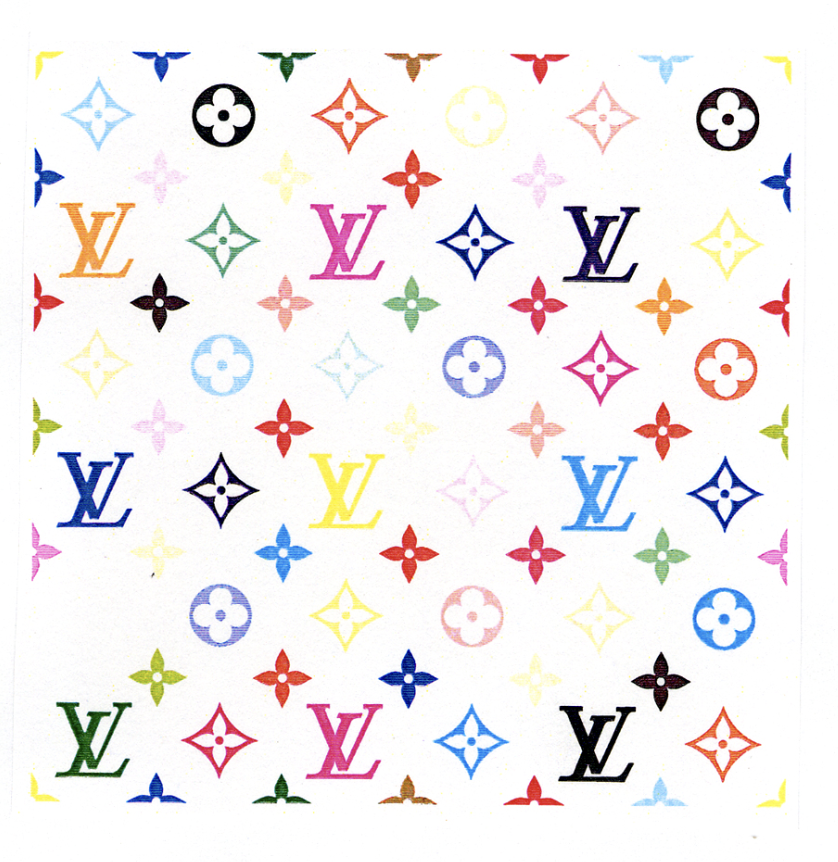
EU Design No. 000084223-0001
Owner: LOUIS VUITTON MALLETIER
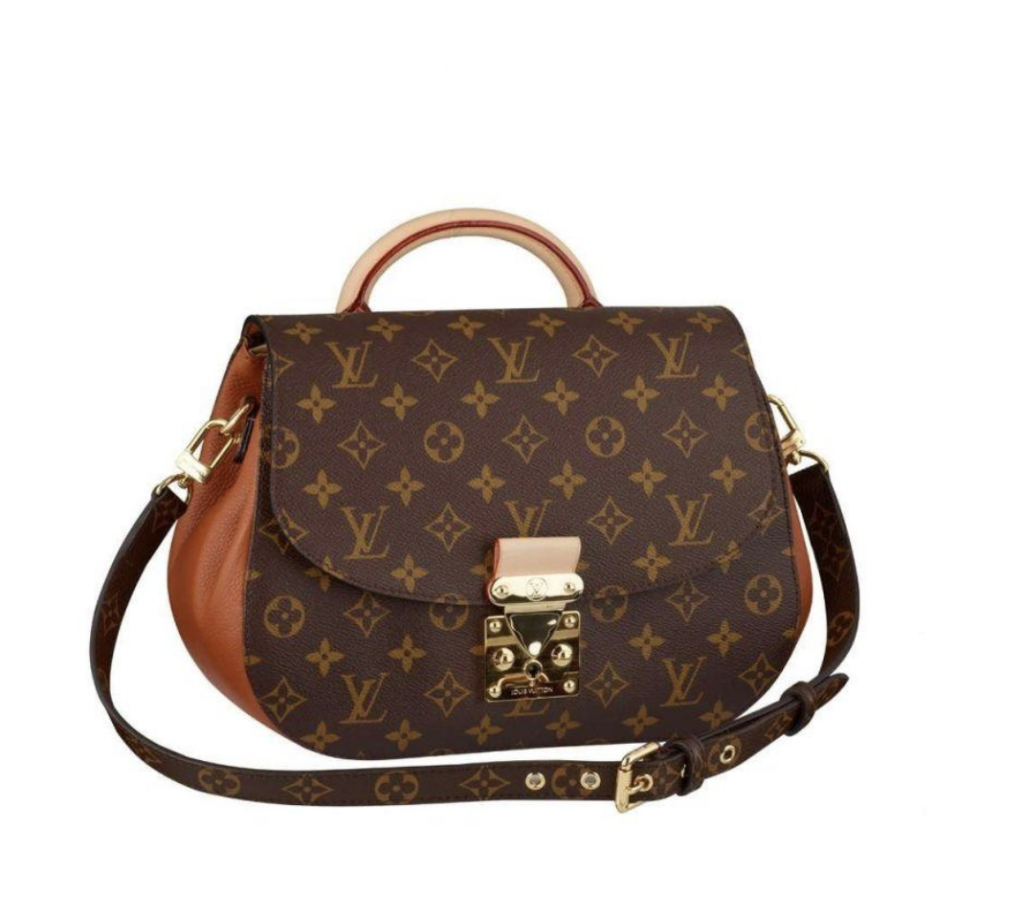
EU Design No. 001895384-0001 – VL
Owner: LOUIS VUITTON MALLETIER
However, design protection is not always the most practical or efficient solution for every fashion company.
One of the main challenges is the frequency of design changes and the seasonal nature of fashion collections. When designs change every season, registering each design separately may become disproportionately expensive and time-consuming, particularly for smaller brands.
For this reason companies often register designs mainly for products expected to have long-term commercial potential, such as shoes, handbags, smartwatch straps or cosmetic packaging. These products frequently become signature elements of the brand and therefore benefit most from design protection.
It is also important to remember that design protection applies only to the external appearance of a product and only if the design is new and has individual character. It is not suitable for designs whose form is determined by technical function or for designs that change every season.
Within the European Union, design registration must generally be filed within twelve months from the moment the design is first publicly disclosed. If this deadline is missed, an opponent may reveal the earlier publication and request cancellation of the registered design.
European law also provides protection for unregistered designs. The differences between registered and unregistered design protection include both duration and scope of rights.
Unregistered design protection lasts up to three years from the date of publication, while registered design protection may last up to twenty-five years.
Unregistered designs protect only against identical copies, whereas registered designs can also be enforced against products that create a similar overall impression.
A trademark is a sign that distinguishes the goods or services of one company from those of another.
It functions as an indication of origin and may consist of words, graphic elements, letters, numbers, colours, shapes of goods, packaging, sounds, video elements or other identifiable signs.
In the fashion industry trademarks are a crucial intellectual property tool. They not only ensure brand recognition but also provide the legal basis to combat counterfeiting, unfair competition and attempts to exploit the reputation of a brand.
Fashion brands most commonly register word trademarks and figurative trademarks.
A word trademark protects the name regardless of typography, design or colour. It may represent the company name, product name, designer name, slogan or acronym.
For example, the globally known company Nike has registered European Union trademarks for both the word NIKE and the slogan JUST DO IT.
Figurative trademarks include logos and other visual symbols. Nike’s famous swoosh symbol – a stylized representation of the wing of the Greek goddess of victory Nike – is registered as a figurative trademark within the European Union.
In addition to traditional trademarks, modern systems allow registration of non-traditional marks such as three-dimensional objects, sounds, motion marks, multimedia signs, holograms, patterns, position marks or even colours.
For example, the turquoise colour associated with Tiffany & Co. has been registered as a trademark in the United States.
Three-dimensional trademarks are particularly common in the accessories and cosmetics industries where product shape or packaging itself becomes a recognizable brand element.
Hermès has registered the famous Kelly and Birkin handbag shapes as three-dimensional trademarks.
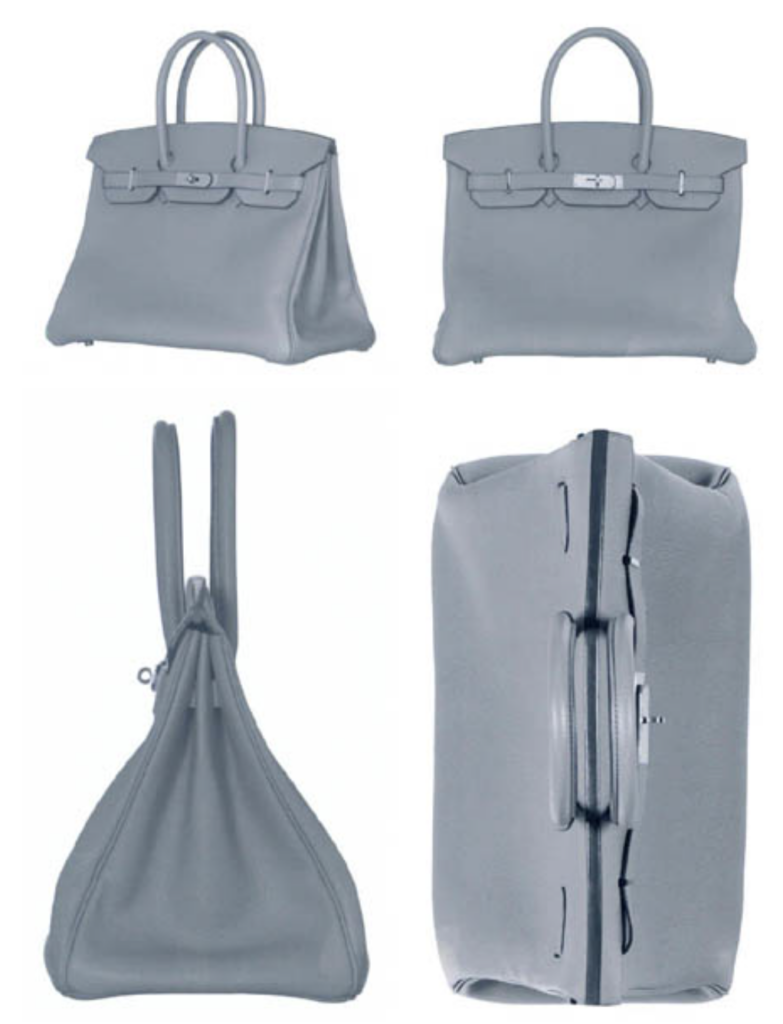
HERMES INTERNATIONAL
EUTM 004467247
The European Union Intellectual Property Office has established unified principles for registering non-traditional trademarks. The sign must be clearly represented, identifiable and distinctive.
A trademark is the first and most important form of brand protection. It is also the only intellectual property right that can potentially last indefinitely. As long as the trademark is used and renewed every ten years, it may remain valid without time limitation.
Unlike copyright or design protection, trademark registration does not require proof that the sign is new, has individual character or represents artistic creativity.
Ideally, trademarks should be filed for registration as early as possible because legal rights arise from the filing date. However, even if a brand has already been launched, registration may still be possible provided that no competitor has registered an identical or similar mark earlier.
Although the fashion industry is primarily associated with visual and stylistic expression, technological innovation increasingly appears in this field.
Patents protect technological inventions and grant exclusive rights to use them for a limited period, usually up to twenty years from the filing date.
In fashion, patents may protect innovative fabrics, textile manufacturing processes, sustainable materials or technological solutions integrated into clothing.
Examples include smart textile technologies, garments with built-in connectivity or fabrics incorporating lighting elements.
One well-known example is the Fastskin material patented by the sportswear company Speedo. This specialized fabric reduces water resistance and improves hydrodynamic performance, allowing swimmers to achieve better results.
However, patent protection requires public disclosure of the invention. If a company prefers not to reveal technical processes or production details, trade secret protection may provide a more suitable alternative.
A trade secret is confidential information that provides a business with a competitive advantage.
Unlike other forms of intellectual property protection, trade secrets do not require registration and have no fixed duration. However, companies must demonstrate that the information is secret, has commercial value and is protected by reasonable confidentiality measures.
In the fashion and design industry trade secrets may include:
Trade secret protection is particularly suitable when companies prefer not to disclose information publicly or when the information does not meet the requirements for patents or design protection.
Every company operating in the fashion and design industry should evaluate its intellectual property assets and develop a tailored intellectual property protection strategy.
The earlier such a strategy is developed, the greater the opportunity to protect brand identity, creative work and commercially valuable innovations.
An intellectual property strategy helps identify:
The development of digital marketplaces has also changed the importance of intellectual property protection. Platforms such as Etsy, Amazon, Meta and Google increasingly rely on registered intellectual property rights when addressing counterfeit or unauthorized products.
At the same time the growing use of artificial intelligence introduces new legal challenges. Works created entirely by artificial intelligence currently cannot receive copyright protection or design registration because they lack human creative contribution.
For this reason trademark protection remains one of the most reliable tools for establishing origin and maintaining consumer trust.
Ultimately, brand protection relies on a clear intellectual property strategy in which trademarks play a central role. Trademarks are the only intellectual property right capable of lasting indefinitely and therefore represent one of the most valuable long-term assets of a brand.
Master the art of brand naming and protection
Protect your brand from the start.
Your trademark is the one part of your brand that can last forever — legally and emotionally. Make it perfect from the start!
Explore our Done-for-You Trademark Search Services for personalized legal insight and support.
Start strong. Stay safe. Stand out.
No more guessing. No more risking. Your perfect trademark is just a click away. Whether you need a name, a search, or full legal protection — we’re here to make it easy, empowering, and aligned with your vision.
Improve or build your products with passion.
Invent the name your brand deserves.
Verify safety, avoid conflicts.
Own it legally, grow with confidence.

"*" indicates required fields